

Overview
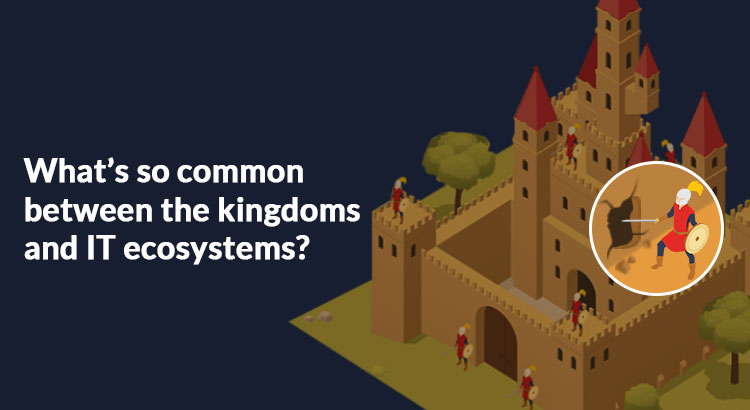
Do you remember the infamous historical character from the battle of Plassey? The chief commander of the Nawab of an East Indian province became an embodiment of betrayal after the historic loss in the battle. The culprit misused the blind trust and faith that his nawab kept on him and eventually allowed the British troops to conquer the land. Who knows if the Nawab would have verified this trustworthiness, maybe the history would have been different? Trust, once lost, can never be retrieved – similarly, the loss which incurs from a mistrust is rarely recovered.
What is the moral of the story?… never assume the ‘trust’ but always reassess it.
A modern IT ecosystem is no different from a fallen empire where a major part of the infrastructure security relies on reassessing the trust. For any IT ecosystem, privileged identities hold the key to the ‘kingdom’ of confidential business data. If any of those identities breach the ‘trust’, it could result in a catastrophic IT incident.
The IT environment that is capable of defending both internal and external threats and can continuously re-assess the trustworthiness of privileged identities, is the strongest “commander” of the organization. Therefore building a Zero Trust architecture, wherein the ‘trust’ of every identity is continuously evaluated is of utmost importance.
As the global organizations are prioritizing health and safety due to the on-going pandemic, employees and employers are increasingly getting accustomed to remote work culture. It’s a huge security challenge especially when end users remotely access business-critical information. Traditional firewalls can no longer offer the same extent of IT security for employees who are logging remotely.
Further, distributed data centers, adoption of cloud environments and integration of IT operations with third-party service providers have expanded the threat surface. This is where the Zero Trust security framework becomes crucial.