

The Context
There is a proverb: “If you pull the ear, the head follows you automatically.”
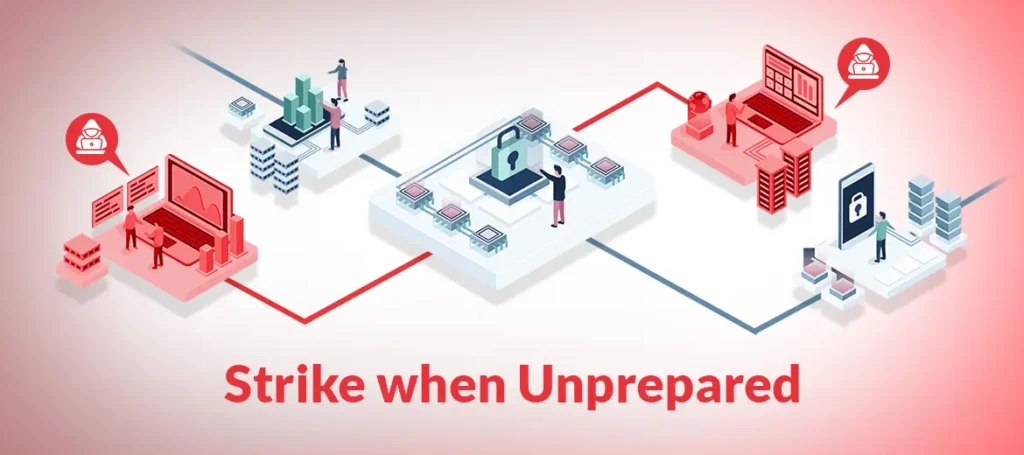
Hacktivists, rogue nation states, and organized cyber criminals are adopting this policy extensively nowadays. In order to hurt any organization, cybercriminals target supply chains.
In the era of globalization and digitalization, organizations of all shapes and sizes depend a lot on their supply chains. However, when global chains are impacted by zero-day attacks, advanced persistent threats (APT), data exfiltration, ransomware, malware, insider attacks, and social engineering, among other types of cybercrime, the targeted organization is brought to its knees.
Consider mobile phone manufacturing vendors. If they suffer from an inconsistent or inadequate supply of chips and other hardware components, the production of mobile phones and their output will be dramatically impacted.
Similarly, an automobile manufacturer is dependent on the suppliers of vehicle body parts, tyres, etc. If a cyber incident occurs at any of the suppliers’ manufacturing units, the automobile manufacturing company will be forced to delay production. Eventually, it affects the business temporarily or sometimes in the long run.
Who can forget that major cyber incident that targeted a US-based government agency. An organized hacker group successfully infiltrated the government body’s software service provider’s systems. This is one of the massive supply chain attacks that not only shook the nation but also alarmed other parts of the world.
According to our research, cyber-attacks on supply chains have risen by 51% from 2021 on, and 53% of those attacked have admitted that both the company and the supplier are equally responsible for the security breaches.